Water is the lifeblood of our homes, but often, that simple flow can be disrupted, leading to significant problems. Understanding backflow is crucial for homeowners because it’s not just a plumbing annoyance; it can lead to water damage, contamination, and potentially costly repairs. While the term might sound technical, the core concept is surprisingly straightforward: backflow occurs when water pressure reverses its intended direction, creating a pathway for contaminants to flow back into your potable (drinking) water supply. This article will break down what backflow is, where it frequently occurs in residential settings, and most importantly, what steps you can take to prevent it.
What Exactly Is Backflow?
At its most basic, backflow is the unintended flow of water in the opposite direction it’s designed to travel. Think of it like this: your water supply is meant to flow from the municipal water main to your faucets, toilets, and appliances. Backflow happens when something disrupts that flow, creating a pathway for water to flow back up the pipes. This can be triggered by changes in water pressure, unusual water levels, or even connected equipment. The potential consequences of backflow are serious. It’s not simply a waste of water; it can introduce harmful bacteria, chemicals, or even sewage into your household water supply, posing a significant risk to your health and property. Understanding the different types of backflow – transient and non-transient – is the first step in preventing it. Transient backflow is sudden and temporary, often caused by water hammer or pressure surges. Non-transient backflow is a more persistent issue, frequently linked to faulty equipment or improper installation.
Common Sources of Backflow in Your Home
Identifying where backflow is likely to occur is key to proactive prevention. Several common plumbing systems and appliances in residential settings are particularly susceptible. Let’s explore the most frequent culprits.
1. Irrigation and Sprinkler Systems
Sprinkler systems, while essential for lawn and garden care, are a leading cause of backflow. The pressure from the sprinkler system can sometimes exceed the pressure rating of the main water supply, creating a situation where water flows back into the house. This is particularly true if the sprinkler system isn’t properly designed and maintained. The proximity of the sprinkler system to the main water shut-off valve is another important factor.
2. Water Heaters
Traditional tank-style water heaters can experience significant pressure fluctuations, especially when the water temperature is set high. These fluctuations can lead to backflow, particularly if the water heater isn’t equipped with a backflow preventer. Newer, tankless water heaters are generally less prone to backflow issues.
3. Sump Pumps
Sump pumps, designed to remove water from basements, can also be a source of backflow, particularly if they’re not properly installed or maintained. If the water level in the sump pit rises unexpectedly, it can create pressure that forces water back into the plumbing system.
4. Toilet Systems & Plumbing Fixtures
While less common, backflow can occur due to improper installation or maintenance of toilet systems or complex plumbing fixtures. Pressure differences in the system or incorrect fittings can create pathways for water to reverse.
How to Stop Backflow: Prevention and Maintenance
Now that you understand where backflow is likely to happen, let’s look at what you can do to prevent it. A proactive approach to maintenance and proper installation are vital.
1. Pressure Reducing Valves (PRVs) – Your First Line of Defense
A Pressure Reducing Valve (PRV) is a crucial component in many residential plumbing systems. Its primary function is to regulate water pressure entering your home. By capping the pressure, it significantly reduces the risk of backflow caused by excessive pressure fluctuations. If you don’t already have a PRV, consult with a qualified plumber to determine if it’s necessary for your home. Regular testing and maintenance of your PRV are critical to ensuring its proper operation.
2. Regularly Inspect and Maintain Your Irrigation System
- Check for Leaks: Leaks in sprinkler heads, pipes, or valves can create pressure imbalances.
- Maintain Valve Settings: Ensure your irrigation valves are set to the correct pressure settings, typically no higher than 40 psi.
- Professional Inspection: Have a professional irrigation technician inspect your system annually to identify and address potential issues.
3. Smart Irrigation Systems – A Modern Solution
Consider upgrading to a smart irrigation system. These systems use weather data and soil moisture sensors to automatically adjust watering schedules, minimizing water waste and the risk of over-pressurizing the system.
4. Professional Plumbing Inspections – An Investment in Peace of Mind
Schedule an annual plumbing inspection by a qualified plumber. A professional can identify potential problems before they escalate into serious backflow issues. They can also ensure that your plumbing system is installed and maintained according to local codes and regulations.
5. Know Your Shut-Off Valve
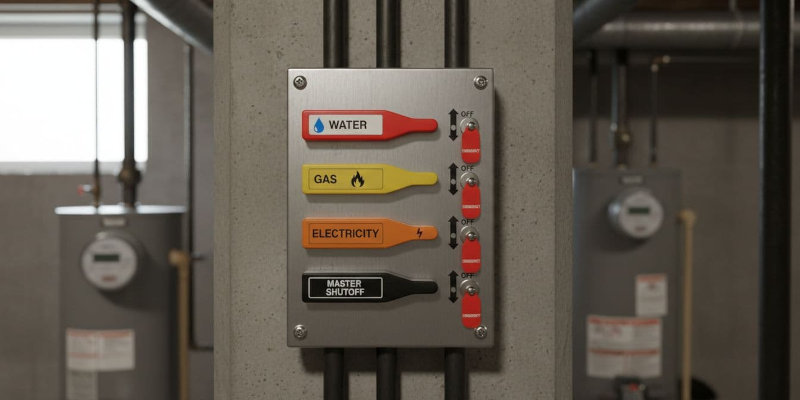
Understand the location of your main water shut-off valve. Knowing where it is allows you to quickly cut off the water supply in case of an emergency, minimizing potential damage if backflow occurs.