As the temperatures drop and the wind howls outside, the focus shifts to keeping our homes warm and comfortable. However, heating a home can be a surprisingly significant expense, and many homeowners unknowingly contribute to high energy bills. Fortunately, there are several effective “thermostat tricks” that can dramatically reduce your heating costs without sacrificing comfort. These aren’t just theoretical suggestions; they’re proven strategies based on understanding how your home’s temperature behaves and how your thermostat can be optimized. Let’s dive into these practical tricks and discover how you can make a real difference this winter.
Understanding Your Home’s Temperature Dynamics
Before implementing any thermostat trick, it’s crucial to understand how your house behaves. Homes aren’t uniformly heated; they have hot and cold spots, areas that retain heat, and areas that lose it quickly. Factors like insulation levels, window types, and even the materials your home is built with dramatically impact temperature distribution. A key element is realizing that drastically dropping the temperature while you’re away or asleep isn’t always the most efficient approach. A slight drop in temperature, coupled with strategic adjustments, can often be more effective than drastically lowering the thermostat. Think about it – if you set your thermostat to 65° when you are out for 8 hours, you are essentially fighting a losing battle. Instead, a smaller temperature reduction allows the house to maintain a slightly cooler temperature, reducing the need for your heating system to work as hard to reheat the space.
Furthermore, consider the “heat loss curve.” Homes tend to lose heat most rapidly during the early morning and late evening hours, when you’re typically awake and active. Setting your thermostat slightly lower during these times, while still maintaining a comfortable temperature during peak activity periods, can significantly cut down on unnecessary heating.
10 Practical Thermostat Tricks for Lower Heating Costs
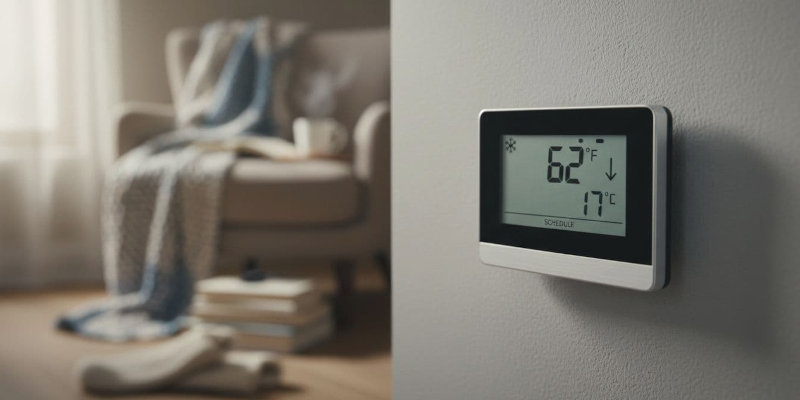
- Program Your Thermostat: This is arguably the most impactful trick. Don’t just set it and forget it. Create a schedule that aligns with your daily routine – lower temperatures when you’re asleep or away, and raise the temperature before you return.
- Lower the Temperature by 1-2 Degrees: Instead of a dramatic drop, reducing the temperature by just 1-2 degrees can make a noticeable difference. It’s a subtle shift that the system won’t have to work as hard to achieve.
- Use a Smart Thermostat: Smart thermostats learn your habits and automatically adjust the temperature based on your preferences and occupancy. They also often provide energy usage reports, allowing you to identify patterns and further optimize your settings.
- Set Back the Temperature When You’re Away: Don’t heat an empty house. Lower the temperature significantly when you’re gone for extended periods.
- Don’t Overheat Before Returning: Resist the urge to crank up the heat the moment you walk in the door. Allow the house to reach the desired temperature naturally.
- Utilize Zone Heating (If Possible): If you have multiple zones in your home, you can control the temperature in each zone independently, focusing heating on occupied areas.
- Close Curtains and Blinds at Night: This helps to insulate your windows and reduce heat loss.
- Check for Drafts and Seal Them: Drafts are a major source of heat loss. Seal cracks around windows, doors, and pipes.
- Maintain a Consistent Temperature: Large fluctuations in temperature can actually force your heating system to work harder.
- Clean Your Thermostat: Dust and debris can interfere with the thermostat’s accuracy.
Beyond the Thermostat: Holistic Energy Savings
While thermostat tricks are valuable, they’re most effective when combined with other energy-saving measures. Your thermostat is just one piece of the puzzle. Addressing the root causes of heat loss will have a much more significant and long-term impact. This includes:
- Improving Insulation: Adding insulation to your attic, walls, and floors is one of the best investments you can make in energy efficiency.
- Weatherstripping and Caulking: Sealing gaps around windows and doors prevents drafts and reduces heat loss.
- Regular Maintenance: Ensure your furnace is properly maintained. A well-maintained system operates more efficiently.
- Window Treatments: Heavy curtains or blinds can significantly reduce heat loss, especially at night.
Ultimately, reducing your heating costs this winter isn’t just about adjusting your thermostat; it’s about creating a comfortable and energy-efficient home. By combining these simple tricks with a holistic approach to home energy management, you can save money and enjoy a warmer, more sustainable home.