The phrase “when disaster strikes” can conjure up a flood of anxiety. While we hope never to experience a serious emergency, preparation is key to minimizing damage, protecting your family, and ensuring a faster recovery. One of the most crucial aspects of preparedness is understanding how to quickly and effectively shut off your utilities: gas, water, and power. Many people find the prospect daunting, but with a little knowledge and practice, you can learn to react calmly and confidently, potentially saving your home and family from significant harm in under 5 minutes. This guide will walk you through the process, breaking it down into manageable steps and emphasizing the importance of a practiced response.
Why a Practiced Emergency Shutoff is Critical
The critical difference between a calm, effective response and a chaotic, potentially disastrous one is preparedness. Panic sets in when you’re forced to think on the fly. Knowing exactly where your shutoff valves are, understanding how they work, and practicing the procedure can significantly reduce the impact of an emergency. Consider these scenarios: a burst water pipe flooding your basement, a gas leak due to a malfunctioning appliance, or a sudden power outage during a storm. Each situation demands swift action. Delays can exacerbate the damage, increase the risk of injury, and prolong the time it takes to get help and recover. It’s not about expecting a catastrophe; it’s about being ready to handle it, knowing you can take control in a stressful situation. Regularly reviewing and practicing your emergency shutoff procedure is a vital element of overall home safety.
Understanding Your Utility Shutoff Locations
Before you can execute a shutdown, you need to know where your shutoff valves are located. These are often found in basements, crawl spaces, utility rooms, or sometimes outside near your meter. It’s crucial to familiarize yourself with these locations before an emergency.
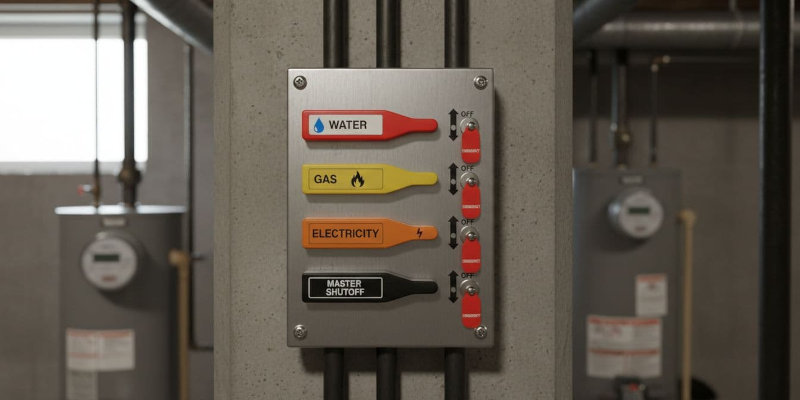
- Gas Shutoff Valve: Typically located on the main gas pipe, often near your water heater or furnace. It’s a quarter-turn valve – turn it perpendicular to the pipe to shut off the flow.
- Water Shutoff Valve: This is usually found where your main water line enters your house. It’s typically a gate valve or a ball valve, requiring a quarter-turn to close.
- Power Shutoff: This will vary depending on your situation. For whole-house power, there’s usually a main breaker in your electrical panel. If you only want to shut off a specific circuit, locate the corresponding breaker. Some utility companies also have automatic shutoffs, but relying on these alone is not a substitute for knowing how to manually shut off your power.
Step-by-Step Emergency Shutoff Procedure (Under 5 Minutes)
Let’s break down the process into a clear, actionable sequence, aiming to complete the shutdown within five minutes. Remember, practice is key – this isn’t about a perfect, textbook demonstration; it’s about efficient execution.
- Assess the Situation (30 Seconds): Remain calm. Confirm the emergency (fire, leak, outage). Don’t immediately rush to the shutoff valves. A quick, clear assessment helps you prioritize and avoid unnecessary movement.
- Locate the Valves (1 Minute): Knowing exactly where your valves are is half the battle. If you’re unsure, call your utility company for assistance. Don’t fumble around blindly; have a general idea of the location.
- Gas Shutoff (1.5 Minutes): This is often the most critical step. Turn the valve perpendicular to the pipe until it stops. Important: Do not attempt to repair a gas leak yourself. Leave that to the professionals. Once the valve is closed, ventilate the area if possible.
- Water Shutoff (1 Minute): Close the main water valve. Check the faucet nearest the valve to ensure the water flow has stopped.
- Power Shutoff (30 Seconds): Flip the main breaker in your electrical panel to the ‘OFF’ position. If you’re shutting off a specific circuit, turn off the corresponding breaker.
Important Considerations and Safety Precautions
- Call for Help: Immediately after shutting off your utilities, call your utility company and emergency services (911) to report the situation.
- Ventilation: After a gas leak, ventilate the area thoroughly. Open windows and doors.
- Don’t Re-Open Unless Instructed: Don’t attempt to restore any of the utilities until the utility company has inspected and given the all-clear.
- Family Planning: Discuss the emergency shutoff procedure with your family. Assign specific roles and responsibilities. Make sure everyone knows where the valves are.
- Regular Checks: Periodically inspect your valves to ensure they are functioning correctly. Lubricate them if necessary.
Resources and Further Learning
- Ready.gov: https://www.ready.gov/ – Excellent resource for disaster preparedness.
- Local Fire Department Website: Check for specific safety information and workshops offered by your local fire department.
- Utility Company Resources: Most utility companies have online resources and FAQs related to emergency shutoffs.